
Orthobiologics

Orthobiologics are natural, biological substances such as Platelet Rich Plasma , Bone marrow concentrate and Growth factors which are used to accelerate the healing of musculoskeletal injuries like bon, tenson, ligament , cartilage and in some early stages of osteoarthritis as well.    These regenerative materials are drived from the patient’s body in the form of blood sample or bone marrow sample , processed and injected into the diseased area in the sterile aseptic environment to promote tissue repair , often delaying or replacing the need for surgery.

Common examples include:
Platelet-Rich Plasma (PRP) :

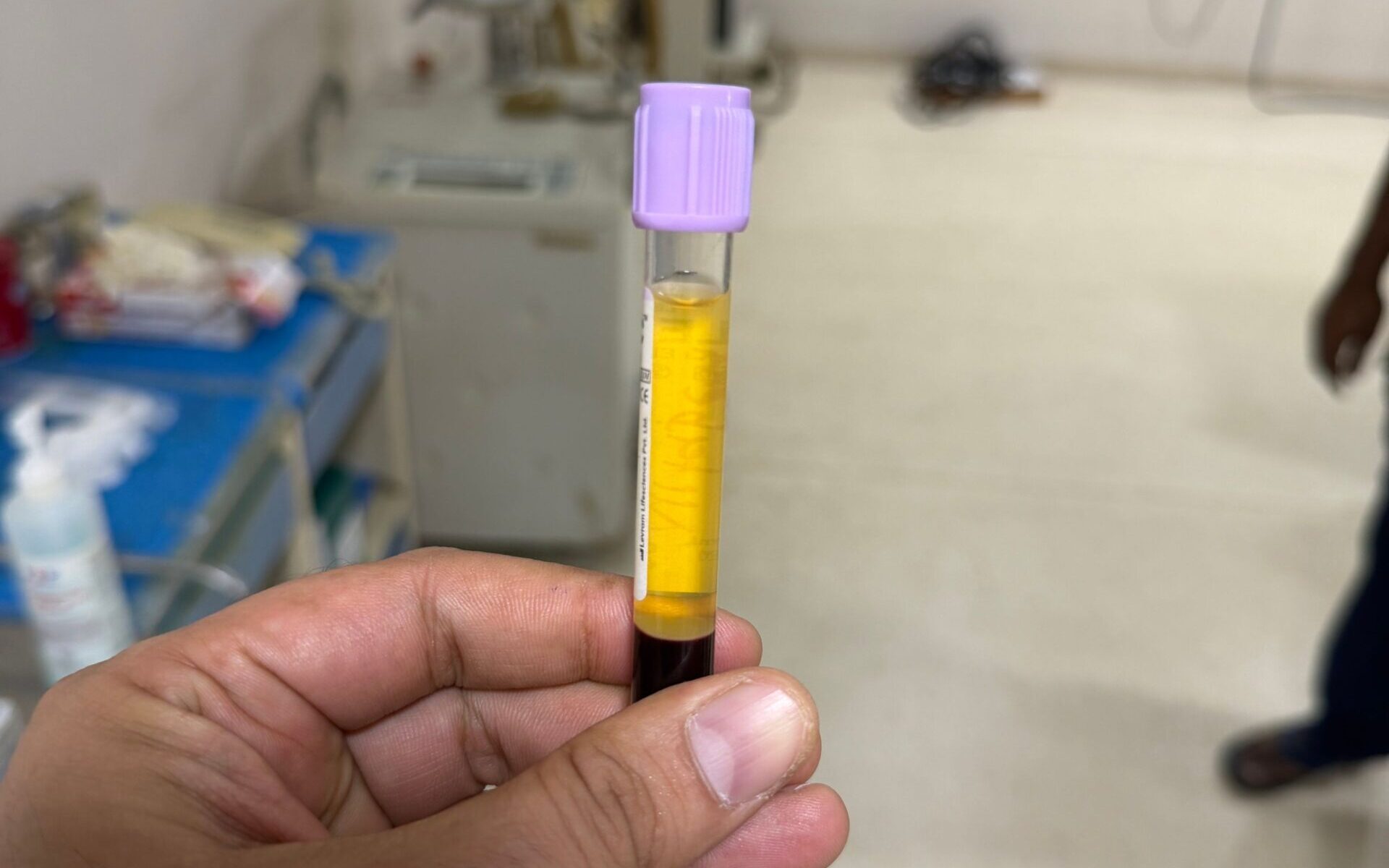
This is the "celebrity" of the orthobiologics world. Doctors draw your blood, spin it in a centrifuge to concentrate the platelets (which are rich in growth factors), and inject that potent "soup" directly into the injured area.

Bone Marrow Aspirate Concentrate (BMAC) :

This involves harvesting stem cells and other regenerative cells from your bone marrow, usually the hip, and injecting them into the target site to jumpstart tissue repair.

Hyaluronic Acid :

While often used for lubrication in osteoarthritic joints, it mimics the natural fluid in your joints to provide cushioning and reduce friction.

Allografts (Bone Grafts) :

Sometimes taken from donors, these provide a structural scaffold for new bone to grow into, often used in complex surgeries.
Why People Choose Them
  1. Potentially Shorter Recovery: The goal is to accelerate the body’s native healing timeline.
  2. Minimally Invasive: Many of these are simple office-based injections, avoiding the risks and downtime associated with major surgery.
  3. Personalized Medicine: Since it often uses your own tissues, the risk of rejection or allergic reaction is virtually zero.

When considering orthobiologics, the focus shifts from “fixing a break” to “optimizing the environment.” It’s less about a single shot and more about a biological process.

Here are the key aspects of how these treatments are delivered and managed:
1. The Delivery Process: Precision is Key

Because these materials (like PRP or bone marrow concentrate) are highly localized, they aren’t just “injected” like a flu shot.

  • Image Guidance: Almost all high-quality orthobiologic procedures use Ultrasound or Fluoroscopy (X-ray). This ensures the material reaches the exact “micro-tear” or joint space where it’s needed.
  • Same-Day Processing: Most treatments are autologous (from your own body). You typically have your blood drawn or marrow harvested, then wait 30–60 minutes while a centrifuge concentrates the healing factors before the injection happens in the same appointment.
2. Patient Selection: The “Window of Opportunity”

Orthobiologics aren’t for every injury. Clinicians use a “tiered” approach to decide if you’re a candidate:

  • Optimal Candidates: Those with early-to-moderate osteoarthritis (Grade 1 or 2), partial tendon tears (like tennis elbow or mild rotator cuff fraying), or chronic “plateaued” injuries that haven’t responded to physical therapy.
  • The “No-Go” Zone: They are generally ineffective for “bone-on-bone” (Grade 4) arthritis, complete ligament ruptures that require structural reconstruction, or if there is an active infection.
3. The “Biological Reset” Timeline

Unlike a steroid shot, which masks pain within 48 hours, orthobiologics require patience. You are essentially waiting for a “cellular renovation” to occur.

  • The Inflammatory Phase (Days 1–7): You might actually feel worse The injection triggers a controlled inflammatory response to “wake up” the healing process.
  • The Proliferation Phase (Weeks 2–6): New cells begin to lay down a matrix of repair tissue. Pain usually starts to stabilize or slowly decrease.
  • The Remodeling Phase (Months 3–6): The tissue matures and strengthens. This is when the most significant functional gains (returning to sports or stairs) occur.
4. Integration with Rehabilitation

An injection is rarely a standalone cure. It is a “primer” for the body.
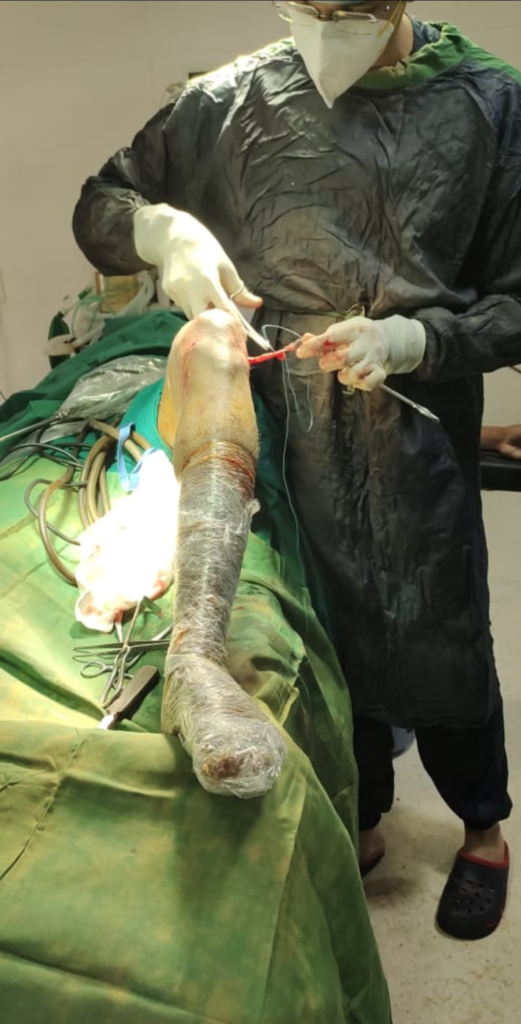
  • Relative Rest: You’ll typically have 48–72 hours of “quiet time” to let the injectate settle.
  • Progressive Loading: You must “tell” the new cells how to grow by applying gradual stress through physical therapy. Without specific exercises (isometrics moving into eccentrics), the new tissue may not gain the strength needed for your activity level.

Do you have questions? Contact Us