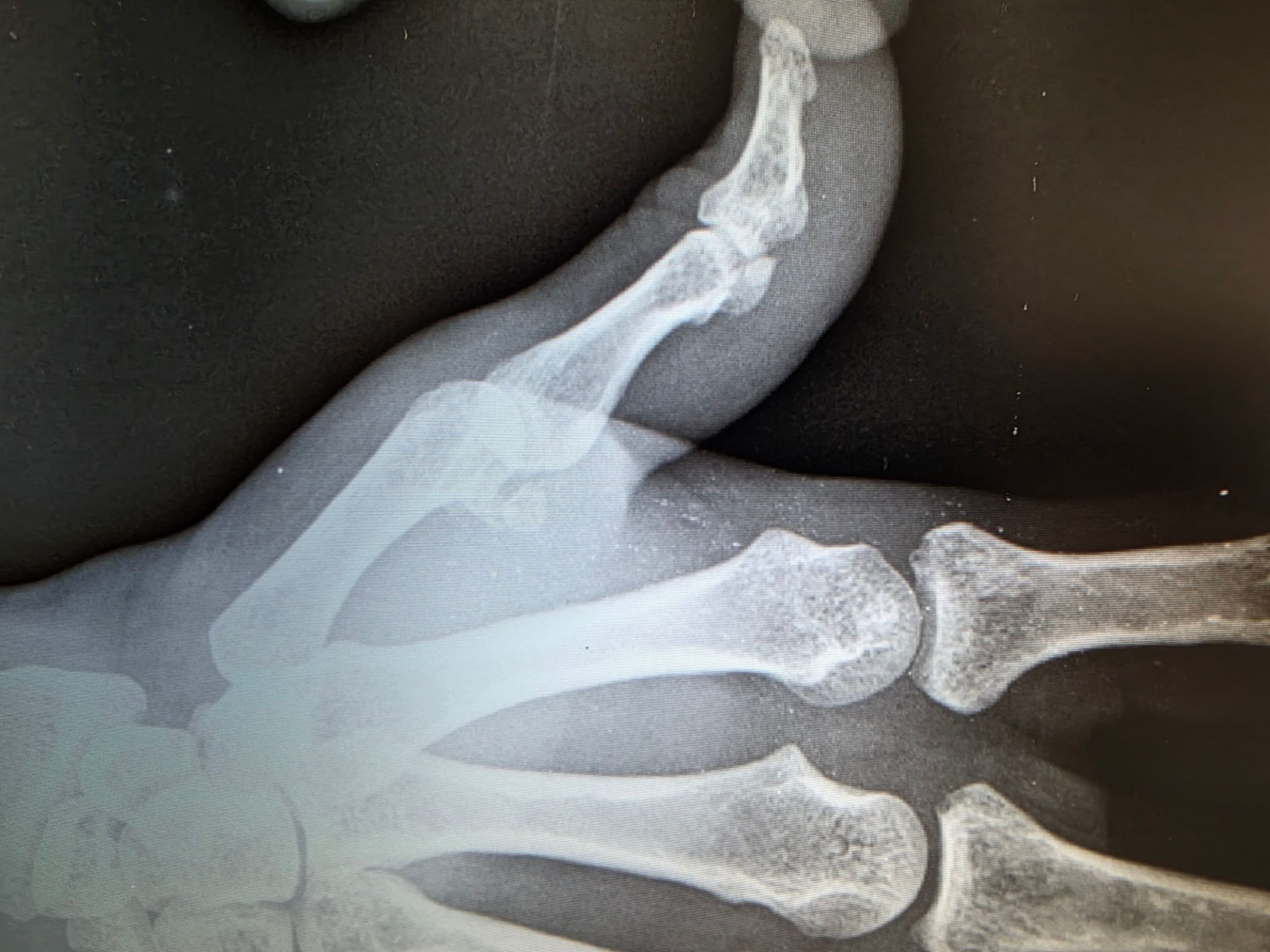
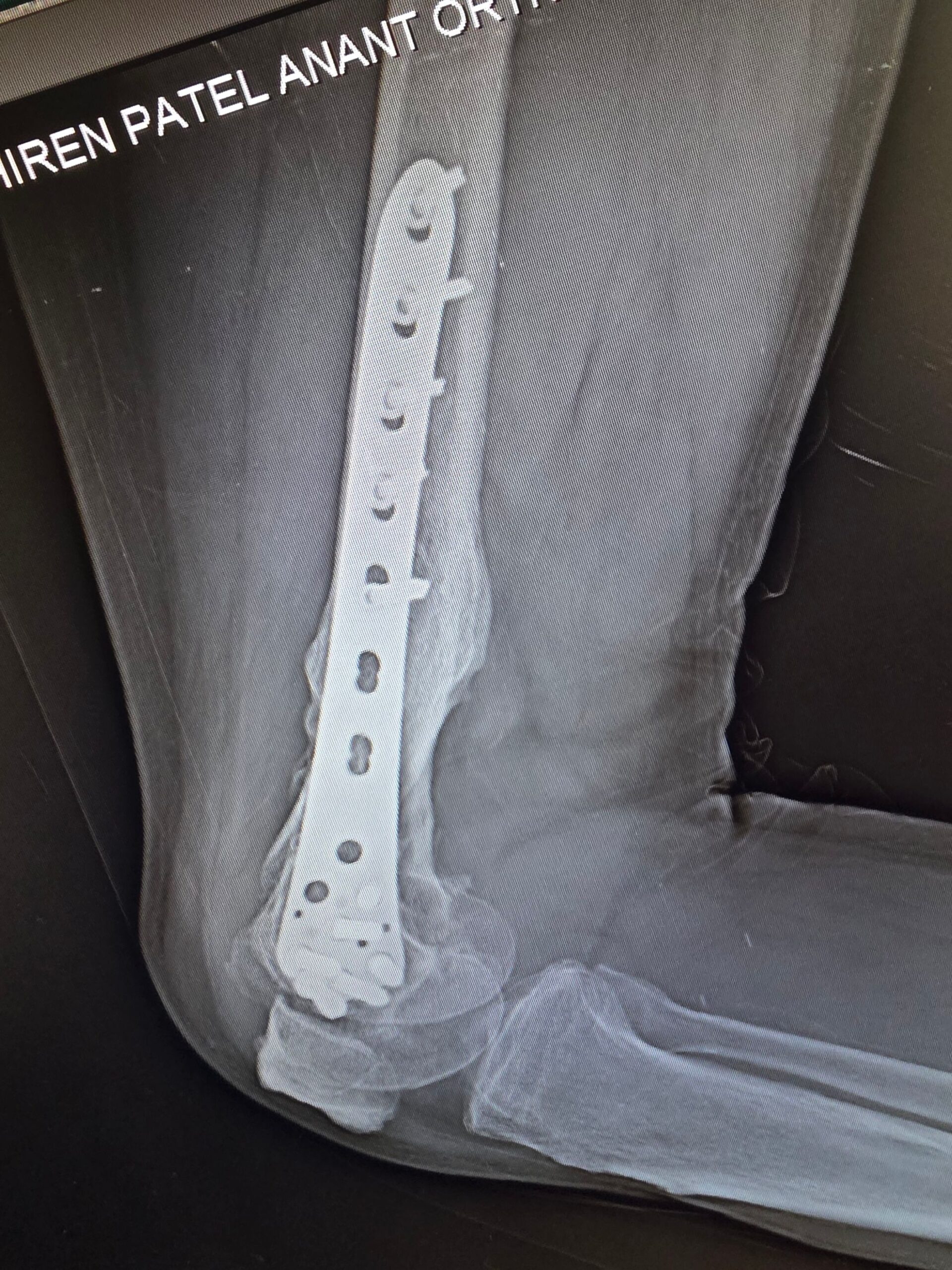
Bone fracture and trauma surgery is a branch of orthopaedics that focuses on the treatment of broken bones and injuries caused by accidents, falls, sports injuries, or high-energy trauma. The main goal is to restore the normal alignment of bones, stabilize the fracture, relieve pain, and allow proper healing.
Types of Bone Fractures
Common fracture types include:
Simple (Closed) Fracture – Bone breaks but skin remains intact.
Open (Compound) Fracture – Bone breaks and protrudes through the skin.
Comminuted Fracture – Bone breaks into multiple fragments.
Spiral Fracture – Caused by twisting forces.
Transverse Fracture – Straight horizontal break across the bone.
Greenstick Fracture – Partial fracture seen mostly in children.
Causes of Fractures
Road traffic accidents
Falls or direct trauma
Sports injuries
Osteoporosis
High-energy injuries
Surgical Treatment Methods
Open Reduction and Internal Fixation (ORIF)
Bone fragments are repositioned surgically.
Stabilized using plates, screws, or rods.
Intramedullary Nailing
A metal rod is inserted inside the marrow cavity of long bones such as the femur or tibia.
External Fixation
Metal pins inserted into bone and connected to external rods outside the body.
Often used in severe open fractures or polytrauma.
Percutaneous Fixation
Minimally invasive technique using pins or screws through small incisions.
Goals of Trauma Surgery
Restore normal bone alignment
Stabilize the fracture
Promote bone healing
Allow early mobilization
Prevent complications such as deformity or stiffness
Recovery and Rehabilitation
Immobilization using cast, splint, or fixation devices
Physiotherapy to restore movement and muscle strength
Healing time usually 6–12 weeks, depending on the bone and injury severity
Modern orthopaedic trauma surgery uses advanced implants and minimally invasive techniques to achieve stable fixation, faster recovery, and improved functional outcomes after bone injuries.
Hello 👋, welcome from Dr. Hiren Patel – Best Orthopedic Doctor in Ahmedabad

 Make Appointment